
Following is a letter to Burnaby residents from Mayor Mike Hurley
B.C. Premier David Eby was recently left frustrated on the sidelines as discussions about a major Alberta-to-coast pipeline moved forward without B.C. at the table. It’s not a good feeling - and I can tell you, municipalities feel the same way when decisions about our communities are made without our input.
Municipalities across B.C. are increasingly being confronted with a growing challenge. That is, the pressure to act less as democratic representatives of our communities and more as local delivery agents for provincial policies. Let me be clear to you all however - the City of Burnaby knows exactly who we serve. We are elected to represent our residents, reflect their priorities, and make decisions rooted in local knowledge and lived experience.
When higher-level mandates or policies are introduced without meaningful consultation and often overlooking the realities of individual communities, municipalities can be restricted in carrying out their role. A concern heightened by the recent tabling of Bill M 216 - 2025 Professional Reliance Act, which would further limit local oversight in the development approval process.
Local governments must be able to question, challenge, or adapt directives, as well as be given space to lead their own local policies. This is essential not only to protect true democratic representation, but to ensure that provincial initiatives become effective, efficient, and sustainable solutions on the ground.
Truly representing local communities
The Professional Reliance Act would require the City of Burnaby to accept any technical submission certified by a PGA professional for development approvals, unless the submission is incomplete.
I have shared my concerns with the Ministry of Housing and Municipal Affairs - because if this private member’s bill is approved, it would blur the line between technical expertise and democratic governance.
While experts like engineers and architects play a crucial role, they are not elected or accountable to the public, nor mandated to serve the needs of our local communities.
What’s happening now risks taking away the ability of cities like Burnaby to do what we do best, but also creates division within communities, sidelining local voices, and eroding public trust.
Unintended consequences
Provincial reforms are often introduced with the stated goal of increasing efficiency, yet broad, sweeping actions can have the opposite effect when they fail to take into account the realities of specific communities and the people who live in them.
With the aim of streamlining approvals, the Professional Reliance Act would require municipalities to accept certified submissions from regulated professionals without standard local review. However, reducing municipal oversight and accountability, removes the ability of local governments to apply their expertise and identify site-specific issues early on. This ultimately creates more work and cost at later stages in development projects.
Another example of well-intentioned efficiency measures producing unintended outcomes is the province’s new housing and zoning legislation. These mandate minimum densities around transit hubs and require municipalities to allow small-scale multi-unit housing in areas that were previously single-family zones.
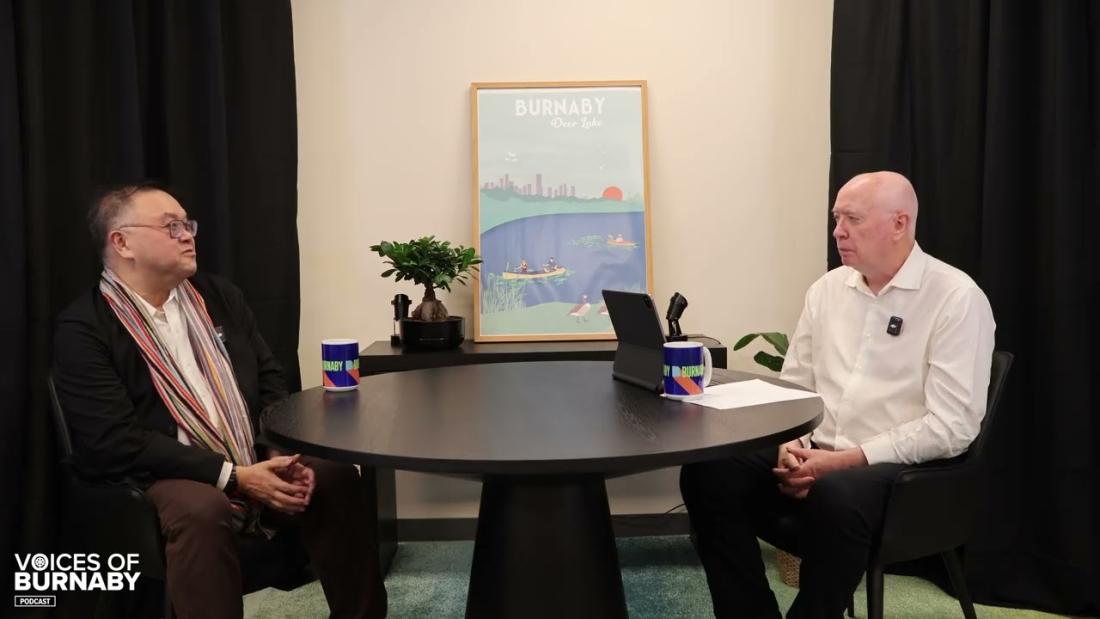
Podcast Episode 1: Housing, Affordability and City Planning in Burnaby - with Andy Yan
When higher densities are imposed without local insight, it can put real pressure on schools, parks, transit, and utilities - ultimately delaying occupancy, increasing costs, and creating unintended inefficiencies that undermine the very goals these laws were meant to achieve. The costs of these oversights are borne by the residents themselves, whether through higher rents, home prices, taxes, utility costs or reduced quality of life.
Another example is the province’s proposed changes to the Heritage Conservation Act. These reforms are designed to strengthen protections for heritage and cultural sites and to involve Indigenous communities more directly in decision-making. While these goals are important and fully supported, municipalities have raised concerns about the practical impacts.
The reforms could add layers of assessments and consultations and require additional administrative capacity that many local governments simply do not have and are not going to be further supported with. In turn, this may slow approvals for development and housing projects, rather than speed them up as intended.
Working together
So this is why we are urging the provincial government to reconsider and engage directly with municipalities before introducing changes that fundamentally alter how we make decisions and deliver for the City of Burnaby.
It’s important for residents to recognize when their elected representatives are being sidelined and how decisions made without local input affect their communities. By coming together, we can ensure our collective voice calls for a better, more collaborative approach.