Following is a letter to Burnaby residents from Mayor Mike Hurley
Municipalities like Burnaby receive roughly nine per cent of the total taxes collected in our city–yet we are being asked to do more and more, with less and less support from other orders of government.
Amid global economic uncertainty, slowing provincial growth, and high costs putting pressure on public finances, the provincial government’s Budget 2026 outlines a $13.3 billion deficit–one of the largest deficits British Columbians have faced–with significant impacts on Burnaby. It’s important residents are aware of these.
The provincial government sets targets and rules for cities, such as infrastructure and climate standards, policing and public safety frameworks, housing targets and now even zoning requirements that municipalities are required to follow. While these expectations have been ever-increasing, municipalities are not receiving the support needed to make these goals possible.
For Burnaby, when provincial funding does not keep pace with these targets, local residents and the city itself must try and fill the gap. In British Columbia, municipalities cannot legally run an annual operating deficit–regardless of any reserves or surplus funds, annual spending cannot exceed expected revenues.
This leaves Burnaby having to revisit our own priorities with few options: to raise property taxes and user fees, cut services or delay infrastructure projects. There is no way to borrow money to cover everyday operating costs under a budget like this.
Burnaby hospital
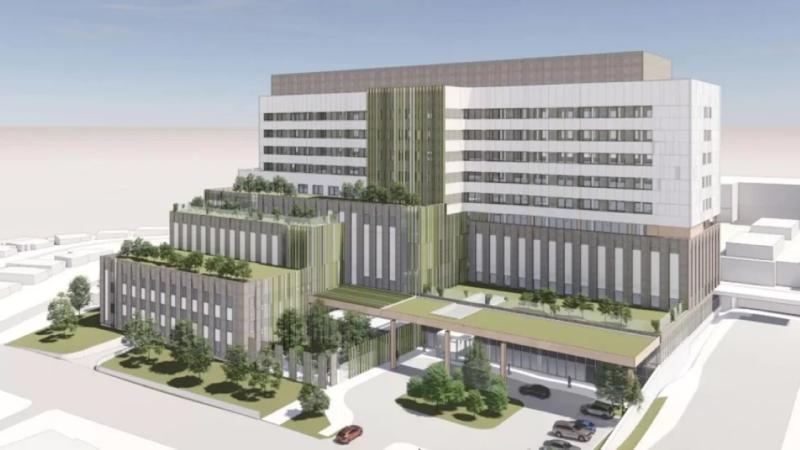
Phase 2 of the Burnaby Hospital and Cancer Care project–including the new BC Cancer Centre and expanded inpatient tower–has been delayed by the Province under this budget, with no clear timeline for when this second phase will begin.
For Burnaby, this delay is deeply frustrating. Residents were promised that Phase 2 would follow immediately after Phase 1, delivering the expanded acute care tower, oncology facilities, and additional capacity our rapidly growing city needs. Instead, we are left with just the replacement work completed in Phase 1, without certainty on when the hospital will be fully expanded to serve our city–the third largest in BC–and the roughly 80,000 Vancouver residents who also rely on it.
We certainly understand that provincial revenues are not as projected and that financial pressures exist–everyone feels them–but this was a strong promise that has not been kept.
Many donors put their trust and resources into Phase 2 moving forward, and this change erodes confidence in a project that had real momentum. The uncertainty now falls on the city, as residents look to local leadership for answers. There was no advance notice that this vital project could be delayed, which has only added to the community’s frustration.
Last Friday, we called an emergency meeting with our MLAs to discuss what this re pacing means in practice. We are now working with them to get the relevant ministers to clarify the provincial plans and ensure Burnaby’s voice is heard as we seek a path forward for hospital and cancer care services that meet the needs of our growing community and reflect the dedication of our outstanding hospital staff.
Affordable housing
Delivering affordable housing in Burnaby requires co ordinated action by all three orders of government. The federal government provides large capital funding and ongoing supports tied to national housing strategies, the provincial government provides major capital contributions, subsidies, and programs through entities like BC Housing, and Burnaby provides land, planning approvals, infrastructure servicing and local implementation.
Provincial support is especially critical and without it the actual construction of below market rental units and other affordable homes at scale is virtually impossible.
Budget 2026 significantly reshapes that landscape. The Province has reallocated nearly $1.4 billion in housing investments across its fiscal plan and suspended the Community Housing Fund, the primary funding program that municipalities and non profits have relied on to build affordable rental housing.
That fund helped deliver thousands of homes across the province, and while projects with existing funding commitments can continue, its pause leaves many projects in limbo and urgently needed new construction without a funding source.
We don’t have a housing crisis–we have an affordable housing crisis. Despite housing remaining a stated priority over the long term for the provincial government, the scale of funding cuts in Budget 2026 means the crisis is deepening and the city’s ability to address it is further limited.
Burnaby has been a leader in delivering affordable and below market housing, and as a City we have sought further clarity on timeline and impacts on Burnaby-specific affordable housing targets previously set by the Province.
Cost pressures and program impacts
The concrete effects facing Burnaby from decisions in Victoria also include increases to the lowest personal income tax rate and expansion of the Provincial Sales Tax (PST) to additional services, directly raising costs for residents and local businesses.
The Province has ended the Guns and Gangs program, and the city must now compete with other municipalities for a share of the new $10 million Community Safety and Targeted Enforcement fund, making it harder to plan and allocate resources for public safety programs.
Similarly, the FireSmart Community Funding and Supports program now requires Burnaby to compete with other municipalities for limited provincial funds, making it harder to plan and maintain wildfire mitigation programs. While the Province has added $15 million for the 2026 intake, demand is expected to exceed available dollars and there is no guarantee of funding beyond this year. Burnaby is calling on the Province for sustained funding for this essential and successful program.
In childcare, the provincial pause of the $10-a-Day ChildCareBC program and reallocation of funding to schools means Burnaby lacks new provincial funds to expand childcare spaces, limiting the city’s ability to create additional spaces beyond what schools or private providers may offer.
We remain committed to working with our provincial partners through challenging times, but Burnaby cannot meet growing expectations and the full needs of our growing community without stronger, sustained, and collaborative support from all orders of government.
Growing Burnaby’s life sciences hub–with STEMCELL Technologies CEO Dr. Allen Eaves