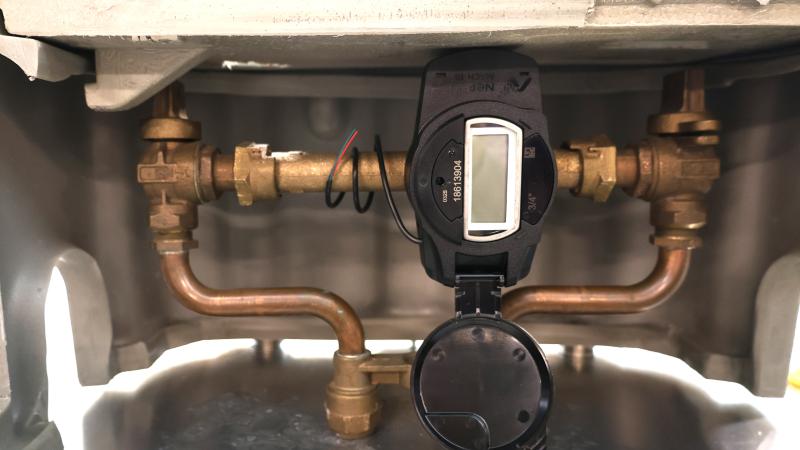
Measuring today to protect tomorrow's water.
We are launching a water metering program to better understand water usage across our community. Data collected from meters will help in planning for future water needs, improve system efficiency, and support water conservation efforts. This project helps us make better decisions about our water infrastructure, improve maintenance efforts and ensure a more efficient and sustainable water supply.
Water meters help people and the environment
- Water conservation: By measuring water usage, residents can better understand and manage their consumption, leading to more sustainable water use. This helps to preserve our precious water resources for future generations.
- Leak detection: Water meters help detect leaks by identifying unusual water usage patterns that may indicate hidden leaks in homes or in the distribution system. Identifying and fixing leaks promptly helps to conserve water and prevent costly damage.
- Operational efficiency: Accurate data on water usage helps the City optimize the water distribution system and plan for future infrastructure needs. This can lead to improved service reliability and reduced operational costs.
- Reduced water waste: By encouraging mindful water use and early leak detection, water metering helps to reduce unnecessary water waste. This is crucial for maintaining the health of our local water ecosystems.
- Energy savings: Treating and distributing water requires energy. By reducing water consumption, we can lower the energy needed for these processes, contributing to reducing the carbon footprint and supporting our climate action goals.
- Sustainable resource management: Water metering supports the sustainable management of our water resources, ensuring that we use water efficiently and responsibly. This helps to protect our water supply from overuse and depletion.
Program history
Our water meter program has been in progress since the 1970s with our industrial, commercial, and institutional customers. This effort helps us to develop and refine the necessary technology and systems to prepare for a wider implementation.
In July 2024, City Council passed a bylaw requiring all newly-built residences to install a water meter before occupancy. Learn more
What's happening now?
We are beginning the first phase of residential water meter installation to residences with meter-ready water service connections and those with declared secondary suites. Future installation phases and a billing transition strategy will be brought to Council in late 2026 for consideration.
The current flat rate system will remain in place while we gather data from the new meters. This information will help us design a fair, revenue-neutral metered water rate structure. The new rates will be proposed to align with Metro Vancouver’s peak and off-peak periods and ensure basic water needs are met. We plan to present this billing transition strategy to the City Council before going forward. This will take place in early 2027.
- The water metering program will focus on homes already fitted with meter-ready water service connections. This involves about 5,500 connections and will save costs and reduce property disruption.
- We will also install meters in homes with declared secondary suites. This process may involve some civil work and restoration, and it's expected to take about two to three years.
More information will be provided as it becomes available.
Program timeline
Phase 1 (since July 2024): Since 2024, we have been preparing for the installation of water meters in newly built residences with meter-ready water service connections.
Phase 2 (2026): We will install meters on homes fitted with meter-ready water service connections. We will also install meters in homes with declared secondary suites.
Phase 3 (2028-2037): We will install meters in remaining residential dwellings, pending Council approval.
Stay informed
Stay updated on the latest developments and learn more about how water metering can benefit you and our community. Visit our website regularly for updates and resources, or contact [email protected].