Following is a letter to Burnaby residents from Mayor Mike Hurley
Our residents consistently tell us that one of the things they value most about living in Burnaby is our parks. They are a major reason people choose to live, work and play here, and they are an important part of our identity as an outdoor and active city. It is our ambition for every resident in Burnaby to live within five to 10 minutes of a park and we have a clear long-term plan in place to achieve that.
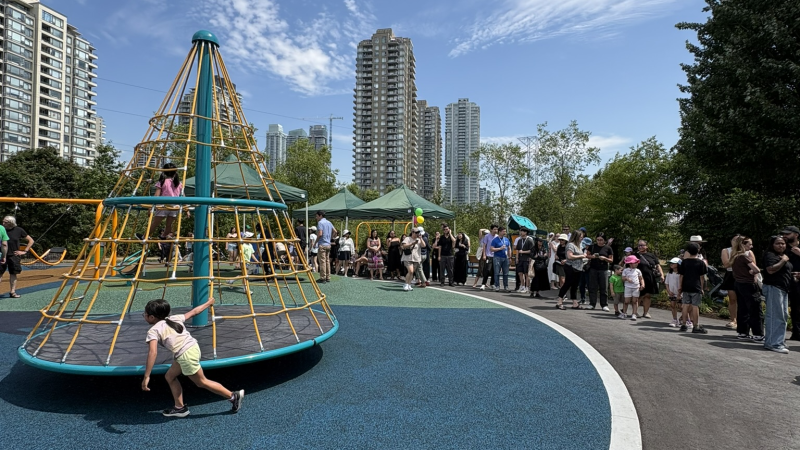
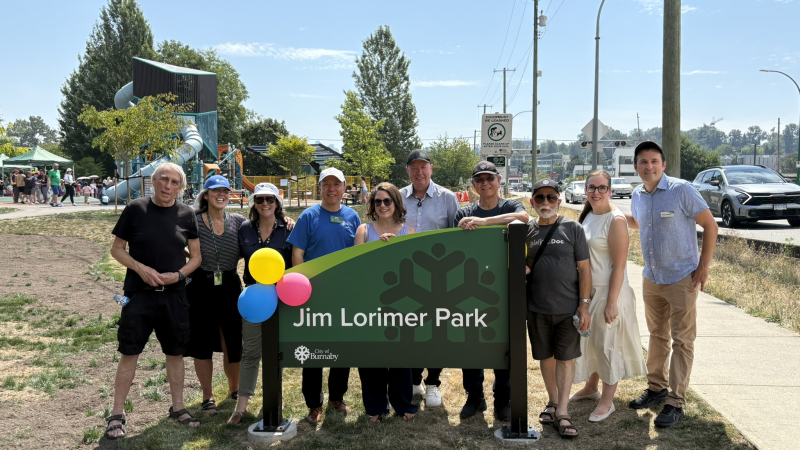
The opening of the upgraded Jim Lorimer Park reflected how much Burnaby residents value their parks. Despite the heat, hundreds of people came out to celebrate, with families lining up for ice cream and children eager to try the new playground. The new play tower and slide, swings, spinners and dedicated toddler area were busy from the moment the ribbon was cut. It was also great to see so many people walk, roll, cycle or take the SkyTrain to Gilmore station beside the park.
For a growing neighbourhood like Brentwood, the demand for these kinds of spaces is clear. Any time I pass by the park now, it is full of activity, with dozens of families using the playground and enjoying the space together.
It is important for residents to know that this upgrade was part of a larger 25-year plan for Burnaby's parks (Making Life Better: Parks, Recreation and Culture Plan), shaped by extensive feedback from the community. Residents told us what they wanted, and this plan provides a roadmap to meet those needs today while ensuring our park system can keep apace as Burnaby grows and faces new challenges.
Burnaby's park system is one of the best in the region
Burnaby provides about 3.5 hectares of parkland per 1,000 residents, compared with the Metro Vancouver municipal average of 3.1 hectares. That means Burnaby has roughly 13% more parkland per resident than the regional municipal average, and significantly more than the 2.2 hectares per 1,000 residents average among selected municipalities outside Metro Vancouver, including Victoria and Kelowna in British Columbia and Vaughan and Hamilton in Ontario.
In total, Burnaby has 145 parks, and the strength of our park system is that different parks serve different needs. City parks such as Central Park draw people from across Burnaby with larger amenities, facilities and natural areas.
Community parks, including Kensington Park and Riverway Sports Complex, serve several nearby neighbourhoods with a mix of fields, courts and other amenities. Neighbourhood parks such as Lakeview School Park and Maywood Park provide local places to spend time outdoors close to home.
Burnaby also has special purpose parks, such as Tinkerbell Corner and Burnaby Mountain Golf Course, along with natural parks like Frogger’s Creek Ravine Park and Capitol Hill Conservation Area, which protect ravines, streams, tree stands and sensitive ecosystems with limited development. As well as Burnaby Lake Regional Park, operated by Metro Vancouver, which provides residents with access to so much wonderful nature.
Together, these are creating a system that helps residents access park space within a five-minute walk in higher-density areas and within a 10-minute walk in lower-density areas.
Residents have been clear that parks are a priority. Through the Burnaby 2050 Official Community Plan engagement, they were consistently at the top of the list of things people said they loved about Burnaby.
The 25-year plan built on that input through its own engagement process, including online surveys, pop-up events, self-guided engagement stations at libraries and community centres, open houses and opportunities to review the draft plan. The City also heard from Host Nations and key community groups, many of whom play a vital role in stewarding our outdoor green spaces.
How Burnaby is funding growth through the responsible use of reserves
It’s also important to note that new parkland acquisition in Burnaby is fully funded through growth, including Development Cost Charges and parkland dedications or cash-in-lieu from development. These funds are collected specifically for park purposes and held in dedicated reserve funds, which means this is not a choice between spending the money on parks or another purpose — the funds are legally restricted to parkland acquisition and other eligible growth-related parkland development costs identified under the DCC program.
Meeting the challenges facing Burnaby's park system
As more people live in town centres and higher-density neighbourhoods, existing parks are used more often and face more wear and tear, while demand for new active park space continues to grow. Brentwood, where Jim Lorimer Park is located, is a clear example. That is why the City is working to acquire and deliver additional park space here, including through park acquisition funding and partnerships with development.
The future parksite in south east Brentwood is a major example of that approach. Working with Concord Pacific, the City is adding a 10-acre community park which will be gifted to the City of Burnaby upon completion.
The City is also moving forward with additional lots in the Brentwood area, with the goal to design and deliver in phases so residents see improvements sooner. This is the result of long-term planning: bringing parks and amenities to the places where demand is highest, and making sure growth is matched by the public spaces residents need.
Parks planning also has to respond to environmental challenges, and again, Jim Lorimer Park is a good example. The site was complicated, with nearby fish-bearing streams, utilities running through the area and floodplain conditions that affected where and how work could be done.
Significant planning, engineering and site work went into rebuilding the playground at a higher elevation and improving drainage so the park and area would be less prone to flooding during the rainy season and able to serve residents as weather patterns change.
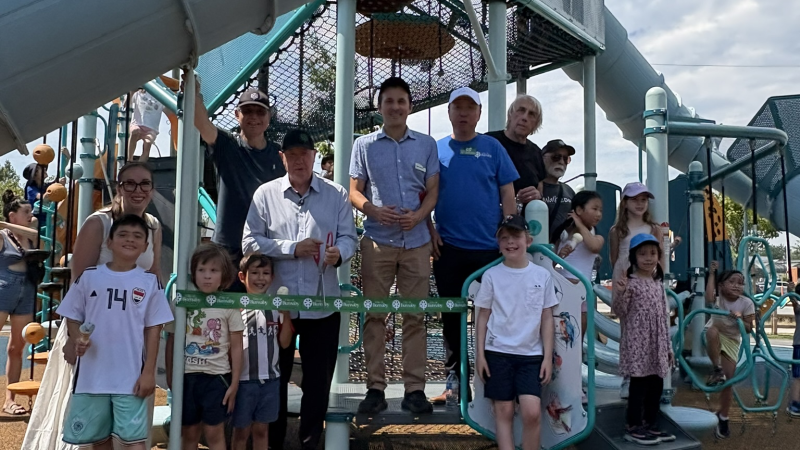
Accessibility also has to be considered in every playground upgrade. These details are vital for families with strollers, our seniors and wheelchair users. In practical terms, that can mean replacing wood chips with rubber surfacing, adding paved paths and ensuring they are not too steep, and providing seating in shaded areas.
It also means choosing play features for different needs, including disc swings, supportive high-back swings with restraints, and sensory play elements for children with physical, developmental or sensory needs.
Four realities every Burnaby resident should understand about homelessness
This long-term planning is based on both resident feedback and data. Basketball courts are a good example: the plan showed Burnaby needs more of them, with fewer courts than some comparable communities. The two new courts at Willingdon Heights Park help close that gap.
Parks can also play a larger role in climate resilience and local food production, and community gardens are one way to do that. Burnaby supports community gardens in several forms, including gardens on City land, educational institution land, learning gardens, and strata or co-op housing sites.
These spaces support food security, bring neighbours together, and help residents, especially children, build gardening skills and a stronger connection to nature. We will continue to look for more opportunities to add community gardens where they make sense.
Ultimately, as our city grows, we need to keep protecting, improving and expanding the park system residents rely on through our 25 year plan.
The upgrade to Jim Lorimer Park shows what that looks like in practice: a park that responds to growth in the community while helping address accessibility, environmental challenges and the everyday needs of families in a changing city.
PODCAST: The Neighbourhood Church, TeamUp and the spirit of Edmonds—with Cameron & Graham Roxburgh