
Following is a letter to Burnaby residents from Mayor Mike Hurley
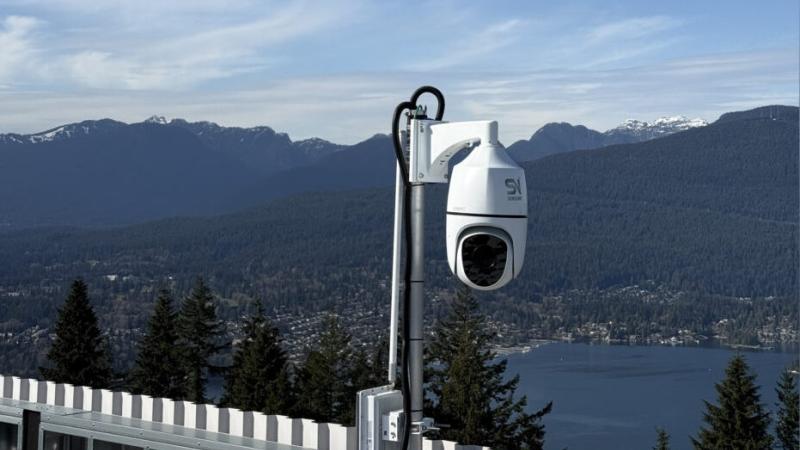
Burnaby has not experienced wildfires on the scale seen elsewhere in BC, but hotter, drier summers are increasing the risk. Burnaby Mountain requires particular attention because its steep, forested slopes are close to homes and critical infrastructure. But the risk is not limited to the mountain.
Prolonged dry conditions can also affect Central Park and other forested areas. Early detection, rapid response and public preparedness are so important as the risk grows and extends to more parts of our city. Metro Vancouver historically experienced about two days above 30°C each year. By the 2050s, that number is projected to rise to 14 days annually.
In 30 years as a firefighter, the largest wildfire response of my career was the 2003 Okanagan Mountain Park fire in Kelowna. Burnaby crews rotated in and out of the response. As structural firefighters, we worked at the interface, protecting homes and property close to the forest. The experience showed just how unpredictable wildfire can be. Any shift in the wind can change a fire’s direction, and a fire large enough can create its own weather patterns.
Today’s crews receive much more specialized training and have equipment geared toward interface firefighting, which is the work of tackling fires in forested areas close to homes, and neighbourhoods.
It is difficult, dangerous and unpredictable work, and we could not be prouder of the skill, courage and commitment our firefighters display everyday to keep Burnaby safe.
What the City is doing
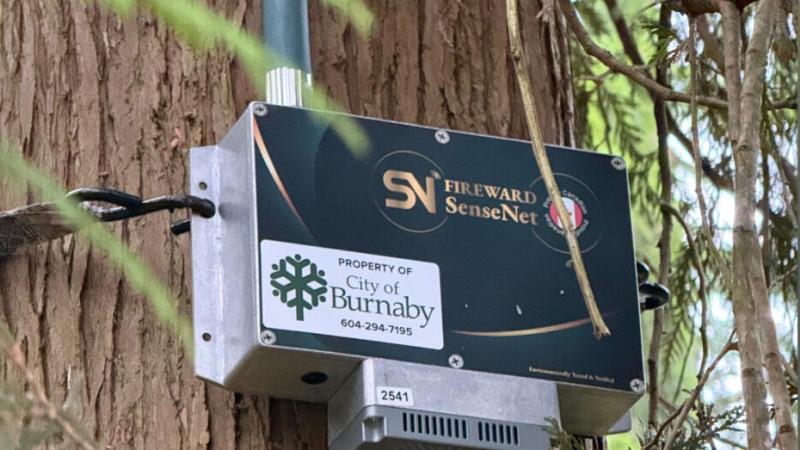
Burnaby’s new wildfire-detection system combines 45 ground sensors and six strategically located smoke-detection cameras that continuously monitor for early signs of wildfire, including heat and smoke. These technologies can identify potential fire activity in near real time and automatically notify emergency personnel, allowing firefighters to respond quickly before small incidents develop into major wildfires.
Since becoming operational in May 2026, it has identified 55 potential fire incidents in the surrounding region, giving the Burnaby Fire Department earlier warning and more time to respond. This matters in a city that has recorded 168 wildland incidents so far this year, compared with 179 last year. Annual totals over the past five years have ranged from 136 to 255.
Taking long-term action for a healthier, more resilient urban forest in Burnaby
Every dollar invested before a disaster can save between $7 and $13 in damage, recovery and wider economic costs. And we have seen not only the savings of investing in pre-disaster mitigation but saving the lush forests that we all cherish and make Burnaby the natural beauty it is. Developed in partnership with SFU, the detection system will remain a key part of the City’s long-term approach to wildfire prevention and preparedness.
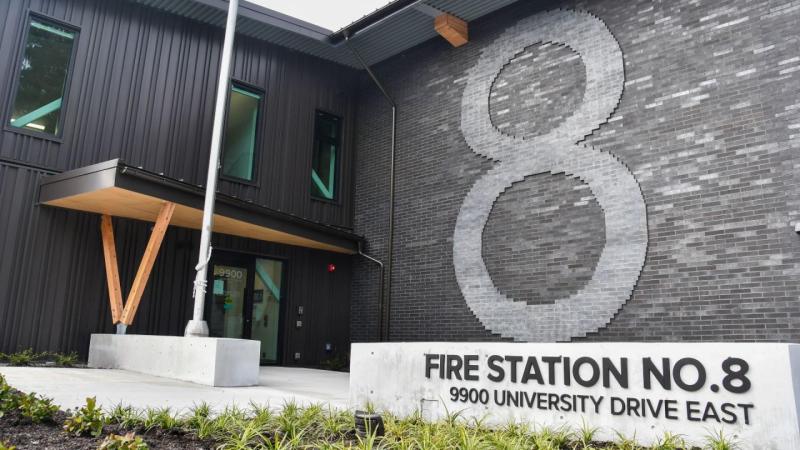
The new Fire Station 8 has brought firefighters and equipment directly onto Burnaby Mountain, improving response times for SFU, UniverCity and nearby neighbourhoods. The station is equipped for the mountain’s forested setting while also responding to structure fires, medical emergencies, rescues and other calls.
It strengthens the City’s ability to meet its target response time of just over six minutes, and everything we can do to support our firefighters meeting that standard in Burnaby is crucial.
Having worked and lived through periods when we were operating out of temporary fire stations, this facility makes a significant difference and the community response has been overwhelmingly positive with about 90 per cent of local residents coming out for the open house.
The City is also working with SFU wildfire scientist Dr. Sophie Wilkinson to better understand conditions on Burnaby Mountain. Monitoring stations collect real-time information on weather and soil conditions, showing how heat, drought and moisture affect local fire risk. That evidence will further inform firefighter preparation, public education and longer-term planning.
In 2027, Burnaby plans to hold a full-scale emergency exercise on the mountain. It will test how first responders, City departments, SFU and infrastructure operators coordinate during a complex emergency, including communications, evacuation and traffic management.
Burnaby’s broader emergency program supports that coordination, while the free Alertable service can send localized warnings and instructions by app, text, email or telephone.
The Fire Department changes outdoor-fire restrictions as conditions change and provides fire-safety education to schools, businesses and community groups. Burnaby is also working to make its urban forest healthier and more resilient to heat, drought, disease and invasive species.
These measures are being introduced as demand on the Fire Department grows. Crews responded to 18,548 total incidents in 2025, up from 16,635 in 2023. Fire Station 8, early detection innovation, research and emergency exercises are part of ensuring firefighters have the equipment, information and preparation needed to respond quickly as Burnaby grows and conditions change.
What residents can do
Wildfires are much easier to stop when they are prevented or reported early. Residents should check the current fire-danger rating and restrictions at Burnaby.ca/FireSafety before using a barbecue or cooking stove outdoors.
Under a high rating, only CSA-approved propane or gas appliances are allowed in City outdoor spaces, and someone must remain with them at all times. Charcoal and wood-burning appliances, smoking, fireworks and other open flames are prohibited. Campfires are never permitted in Burnaby parks.
Five key areas shaping Burnaby's approach for the second half of the year
Anyone who sees smoke or an active fire should call 9-1-1 immediately rather than assume someone else has reported it. But do not enter a forested area to investigate, instead, provide the clearest location possible, such as the nearest trail, road, building or landmark. Burnaby’s new sensors and smoke-detection cameras provide another layer of early warning, but they do not replace reports from the public.
Residents can also make it harder for wind-blown embers to ignite their homes. Keep the first 1.5 metres around the building clear of leaves, needles, branches and other materials that can burn. Clean roofs and gutters, and move firewood, fuel, cardboard and combustible patio furniture away from exterior walls. When renovating, enclosed eaves, screened vents and fire-resistant roofing and siding can provide added protection.
Do not wait for an emergency to make an evacuation plan. Subscribe to Burnaby’s free Alertable service, know more than one route out of the neighbourhood and plan for children, pets, medications and mobility needs. Keep grab-and-go bags ready and build enough household supplies to manage for at least 72 hours, working toward seven days and eventually two weeks.
An evacuation alert means residents should be ready to leave on short notice. An evacuation order means leave immediately. So it's crucial to know the difference. Staying behind can put residents and first responders at risk, particularly if roads become blocked or conditions change suddenly. Return only when authorities have formally rescinded the order.
By staying informed, taking sensible precautions and reporting fires early, we can all help protect our homes, our neighbourhoods and the natural areas that make Burnaby so special.
PODCAST: Hollywood North, Burnaby’s film and television industry—with Mammoth Studios president Amy Lang