Following is a letter to Burnaby residents from Mayor Mike Hurley
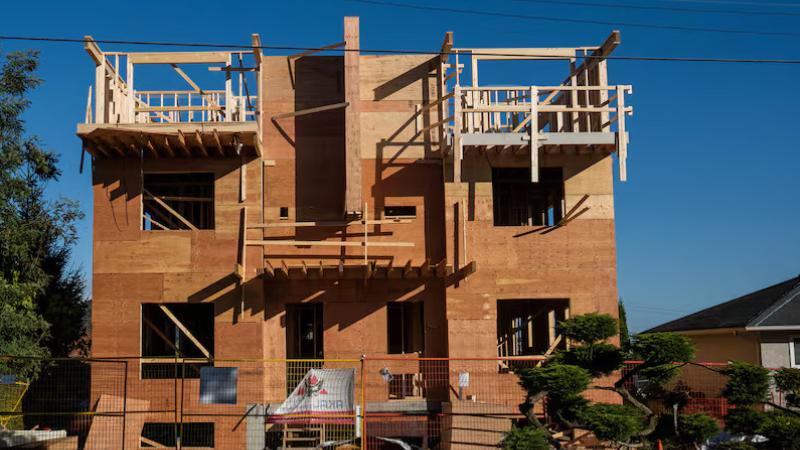
From the day the outgoing provincial government introduced Bill 44 and its broader package of housing and zoning legislation, Burnaby led the opposition to it and warned that imposing the same approach across very different communities would have serious unintended consequences.
That is why the incoming provincial government’s commitment to review this legislation and restore power to local governments is so welcome. But the lesson must be learned and this review should be undertaken alongside municipalities, not imposed on us again.
This is the first in a series looking at three areas of alignment where Burnaby and the new provincial government can work together to build a strong and productive partnership. We begin with housing and local decision-making. As the incoming premier and his government begin their work, we look forward to raising these priorities directly with them.
Leading the opposition
As the costly and time-consuming consequences of the failed one-size-fits-all approach to housing became clearer, Burnaby brought municipalities together, writing to outgoing Premier David Eby on behalf of 16 Metro Vancouver mayors to call for the legislation to be paused and reconsidered.
We also helped lead the successful opposition to Bill M 216, which would have further limited local oversight of development approvals. At home, we used every power still available to us to limit the impact of this legislation. That included bylaw changes to reduce the height and size of multiplex developments and a motion seeking to limit six-unit developments and formally test the extent of the Province’s restrictions on local decision-making.
The outcome of a recent challenge in the B.C. Supreme Court over how Burnaby brought in the new zoning rules reinforced that the City was required to follow the provincial legislation, with little say over how it was implemented.
However, this was never about Burnaby opposing housing or growth. We have enough density around our four town centres to be BC’s poster child for what can be achieved when new housing is guided by careful local planning.
But growth must be planned with the infrastructure, services and community input required to support it. Instead, the way this legislation was imposed created divisions in our community. Many residents felt their much-loved neighbourhoods were being ruined by these large unplanned multiplexes, while local schools and family doctors were already facing waitlists.
These developments were not thinking about access to shops or high-speed internet, and they increased pressure on parks and other recreational spaces, as well as water and waste infrastructure. They were also being allowed without additional parking requirements, while the cost of adding the infrastructure needed to support them, along with the impact on property values, raised concerns about what residents would ultimately pay in property taxes.
Legislation that needs to be reviewed
Bill 44 is at the heart of what Burnaby described as a “one-size-fits-all” approach to housing. It allowed four-unit developments on former single-family lots and six units in frequent transit areas, which cover more than half of Burnaby’s residential properties.
The same legislation was imposed on communities across British Columbia, regardless of where growth had been planned in that city, the infrastructure and services available, or the vastly different housing needs of their residents.
Bill 47 went further, setting rules for Transit-Oriented Areas, requiring Burnaby to permit buildings of between eight and 20 storeys around designated SkyTrain stations. This is separate from Bill 44, which allows six-unit developments on residential lots within walking distance of frequent bus service.
From housing to Burnaby Hospital: welcoming the new provincial government
Building more housing near major transit hubs makes sense, and Burnaby has been doing that around our four town centres for decades. But housing growth and transit investment must be planned together. If the Province expected thousands of additional homes to be built around transit stations, it needs to first invest in the transit infrastructure and services required to handle the increased demand. And public transportation is only one part of what these growing communities will require.
The parking restrictions included in both bills must also be reviewed. Bill 44 prevents cities from requiring any on-site residential parking for six-unit developments in frequent transit areas. Bill 47 removes minimum residential parking requirements throughout its designated transit-oriented areas, apart from accessible parking.
Being near a bus stop or transit station does not mean people no longer need cars, nor does it mean that the transit is at a level now where residents can solely rely on it for work, child care, medical appointments, kids sports and activities and all their other needs. Removing parking requirements before transit provides a practical alternative does not make those cars disappear. It pushes them onto already crowded neighbourhood streets, impacting local businesses and general livability.
Local governments need the flexibility to set parking requirements based on the transit available and the actual needs of each area.
Reviewing Bill 44 alone will therefore not be enough. These laws work together, and the entire package must be reviewed if local governments are to regain the ability to properly plan for growth.
Bill 43, for example, allows the Province to set housing targets for municipalities and intervene if they are not met. But Burnaby was already meeting and surpassing the level of growth the Province was asking for. More importantly, municipalities do not build housing. We plan communities, zone land and approve development. The decision to build rests with the developer.
Burnaby currently has approximately 25,000 approved housing units that have not proceeded to construction, and the City has no power to make developers begin building or require those units to be occupied. The Canada Mortgage and Housing Corporation also reports that are between 4,500 and 5,700 completed and unsold homes across Metro Vancouver.
Financing growth
Burnaby’s long-standing approach has been that growth should pay for growth, ensuring those benefiting from additional density contribute toward the infrastructure and amenities required to support it, rather than shifting the entire burden onto existing taxpayers.
Over the years, Burnaby has made especially effective use of the Community Benefit Bonus program, which is a voluntary system funding local amenities through contributions from developers when additional density is approved.
These contributions were divided, with 80 per cent going to the Community Benefit Bonus Reserve and 20 per cent to the Affordable Housing Reserve, helping to fund many of Burnaby’s major community projects without taking on debt or going without the facilities our growing city need.
The Province however forced us to change our approach. Bill 46 expanded Development Cost Charges, known as DCCs, and introduced Amenity Cost Charges, or ACCs, which became our primary tools for funding capital projects related to growth. These differ from the previous system because they are designed to fund only growth-related infrastructure.
So the City has had to introduce a levy to help ensure the long-term costs of maintaining and replacing infrastructure are properly funded, to avoid creating a future catch-up scenario.
Meanwhile, Bill 16 also heavily limited how we could use our own Community Benefit Bonus program alongside DCCs and ACCs, to fund the services and facilities our growing city needs.
There are positive aspects to these legislative changes. For example, DCCs and ACCs provide greater consistency and certainty, allowing more reliable long-term budgeting. But the legislation restricts how local governments can use the funds they collect by applying the same set of conditions to every community in the province. As though our needs were somehow all the same.
It also removes the City’s ability to offer developers the option of building additional density in exchange for contributions towards important projects that a growing Burnaby will rely on. This flexibility is essential to a local government being able to meet the needs of our residents in a sustainable way over the long term.
Affordable housing
Ultimately, the real crisis is housing affordability. Over recent years, it has become clear that left to the market, rents and prices have risen beyond what people earning average or below-average incomes can afford. The below-market and non-market housing that so many residents need depends on long-term partnerships with sustained funding from the provincial and federal governments.
However, reviewing the current housing legislation would be a strong first step towards solving the problem — identifying its positive elements while addressing the many problems it created. We are delighted that the premier-designate has taken this on so early. He has heard the concerns Burnaby has raised for so long, and it is encouraging to begin this new relationship with such important common ground.
Local knowledge is essential to good decision-making, and housing is a clear example of why. Involving municipalities and their residents from the beginning produces better decisions and avoids more costly, time-consuming mistakes.
PODCAST: Looking back on more than 50 years working at Burnaby City Hall—with Chad Turpin