Following is a letter to Burnaby residents from Mayor Mike Hurley.
Almost two and a half years ago, when the opportunity arose to represent Burnaby as chair of Metro Vancouver, it was clear that change was needed. Board colleagues wanted an agent for change, but they also wanted to replicate the strong financial governance and calm, stable leadership established in Burnaby at the regional level.
For Burnaby, having a strong voice at the table is essential when regional decisions affect our city so directly. But ultimately, what is true for us is true for every local government in the region: a strong Burnaby depends on a strong Metro Vancouver.
This week, a new Board will meet for the first time and elect a new chair. It does so after a period of significant change that has put Metro Vancouver on a much stronger footing for the future.
We have delivered more reform at Metro Vancouver during this short time than in the decades before. Delivering substantial improvements to Board governance and financial oversight, reduced costs for taxpayers and strengthened accountability through independent reviews of major projects and processes.
A period of change
That change began very early on, when in November 2024 a full review of Metro Vancouver’s services and spending found $364 million in operating savings over five years. More than 300 major projects were also reviewed to decide which needed to move ahead and which could be safely delayed.
This allowed more than $1.75 billion in planned spending to be moved to later years, without changing the overall schedules of projects already underway or the priority given to urgent work.
Why a strong Metro Vancouver is essential to our everyday life in Burnaby
Together, these decisions reduced the amount that municipalities would need to collect from residents through regional utility fees and property taxes. For the average household, the projected increase in Metro Vancouver’s costs for 2026 fell from 12.4 per cent to 2.5 per cent.
It also included an independent review by Deloitte Canada of how Metro Vancouver is governed. The review made 47 recommendations covering the Board’s structure, committees, pay and decision-making. Of those, 39 have now either been completed, are being implemented or have been added to the Governance Committee’s work plan.
Through this work we eliminated extra payments for meetings lasting more than four hours and stopped paying members for travel time. Together with combining committees and holding fewer meetings, we reduced Board remuneration by 22 per cent and Board and committee expenses by 88 per cent.
The Board has also selected a new structure that would limit each member jurisdiction to a maximum of three directors, reducing the Board from 45 members to 34 while maintaining weighted voting and still ensuring every jurisdiction is represented.
This was the preferred option identified through engagement with Board members, member jurisdictions, First Nations and the public. As the size and composition of regional district boards are set under provincial legislation, the change will now go to the Province for approval before it can take effect.
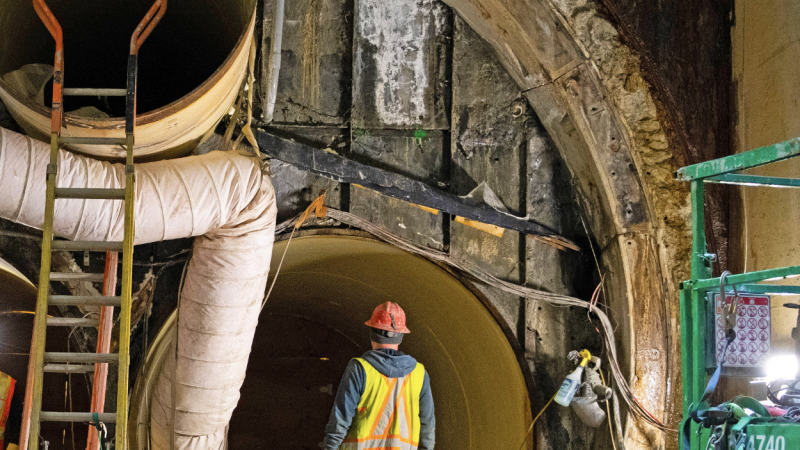
We also resumed the independent review of the North Shore Wastewater Treatment Plant project following a settlement under which former contractor Acciona paid Metro Vancouver $235 million, ending the legal dispute. The independent team will have full access to Metro Vancouver’s documents related to the project’s history, finances, governance, and delivery.
They will examine how the project’s budget evolved and the key factors leading to the significant cost increases, as well as Metro Vancouver’s management of the project to help establish both what happened and identify lessons for future major projects. This review will be completed by early next year.
The importance of regional services
As the new Board begins its work, Burnaby will continue to be strongly represented by Councillors Maita Santiago, Daniel Tetrault and James Wang. All three understand the importance of Metro Vancouver and the value its services provide to our residents.
They understand that Metro Vancouver allows local governments to provide essential services such as water and waste at a standard and cost we simply could not achieve alone. Without that regional approach, local governments would have to reduce or remove some key services, and residents would all face much higher costs for those that could be maintained.
This region is the envy of the rest of Canada for the quality of our services and the innovation behind them. In Burnaby and across Metro Vancouver we have come to expect the best drinking water in the world, as well as liquid and solid waste services that work so well, we rarely need to even think about them. But this level of service is not the norm, and the quality and reliability of these essential services should be a real point of pride for residents across our region.
While almost 85 per cent of Metro Vancouver’s spending goes towards essential drinking water, liquid waste and solid waste services, the organization also delivers a range of other important regional services.
For example, Metro Vancouver Housing provides affordable rental homes for close to 10,000 people. This comes at no operating cost whatsoever to taxpayers in the region, which would not be possible for any individual municipality to achieve or maintain.
Affordable housing is a shared regional challenge, and decisions made in one city have knock-on effects in others. If more housing is provided in New Westminster, many of the people who live there will likely come into Burnaby to look for work, while additional homes here would ease pressure on housing demand in other cities.
Regional parks are another example. Some parks even stretch across different municipalities, while many are in smaller communities that could not afford to maintain them alone. But these parks are important to the entire region, not only to the communities where they are located. The cooler, cleaner air provided by their trees does not stop at a municipal boundary and they protect important regional ecosystems which we all benefit from.
Moving forward
The next chair will have an important responsibility to keep the Board informed, united and focused on the interests of the region as a whole. Every director represents their local community, but they must also look beyond their own municipal interests and recognize that the benefits we all receive from Metro Vancouver depend on understanding and respecting the needs of every member.
The new provincial government’s decision to appoint a Parliamentary Secretary for Metro Vancouver is welcome news and reflects a greater focus and support for the organization.
My advice to Megan Knight in this role would be to engage closely with all member jurisdictions rather than responding only to the loudest voices. Any reform should be based on a clear understanding of how these services operate, how they are funded and what municipalities and taxpayers stand to gain or lose.
Moving forward, there is a strong case for exploring a professional utilities board with the technical and financial expertise needed to oversee increasingly complex water and wastewater systems. That means true experts and not a politically appointed board. The region is moving beyond primary treatment, with major secondary-treatment upgrades underway and tertiary filtration planned, adding further complexity and cost.
Local elected officials could then continue to lead the rest of Metro Vancouver’s work, set its overall direction and ensure every member community has a voice.
Metro Vancouver has recently come through the pandemic, high inflation and now this period of major change, but continuous improvement must remain at the forefront of its planning.
Burnaby stepped up when change was needed at Metro Vancouver, and we can be proud of what has been achieved over the past two and a half years and how our residents will ultimately benefit. As that work continues, it will continue to have our support.
PODCAST: One year from Burnaby’s formal apology for historic discrimination against people of Chinese descent