
E-scooters and e-bikes are part of the electric micromobility movement.
These devices, typically powered or assisted by an electric motor, make it easier for people to travel farther, choose active transportation more often, and reduce reliance on cars.
E-scooter and e-bike users in Burnaby must follow provincial regulations and guidelines and use them safely and responsibly.
E-bike share program: The City is partnering with Lime to bring a shared e-bike pilot program to the community starting June 2026. Learn more about the program.
E-scooters
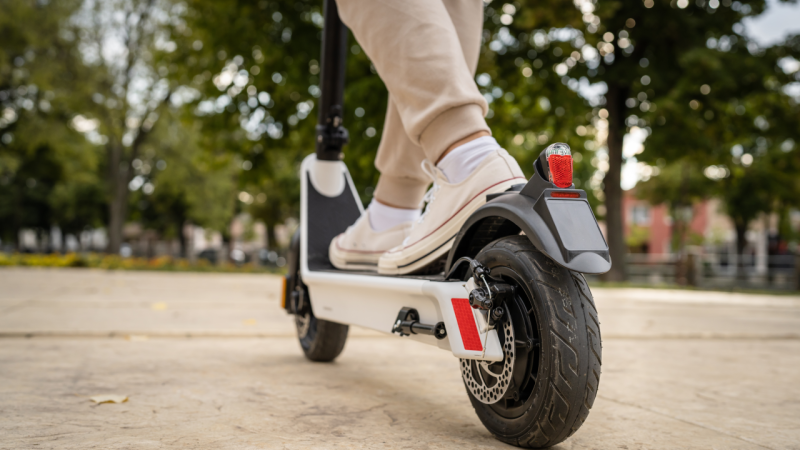
E-scooters are standing electric devices equipped with handlebars and two to four wheels. In BC, they can only be used legally in communities participating in the BC Electric Kick Scooter Pilot Project, which establishes safety, operating, and equipment standards for riders and devices. Learn more about BC Electric Kick Scooter Rules.
BC Electric Kick Scooter Pilot Project
As of January 2026, Burnaby joined the BC Electric Kick Scooter Pilot Project. This initiative permits e-scooter use in participating communities while the Province and municipalities work together to study their safety impacts, develop clear rules, and understand how e-scooters fit into the broader transportation system.
Quick guide: E-scooter rules and safety tips in Burnaby
| Do's |
|---|
|
| Don'ts |
|---|
|
Riders must be at least 16 years old. No driver’s license or insurance is required to operate an e-scooter.
To be considered a legal e-scooter under the provincial pilot, the device must:
- have handlebars, a standing platform, and 2–4 wheels
- be powered solely by electric motor(s) with a maximum continuous output of 500 W
- have a maximum speed capability of 25 km/h
- weigh no more than 45 kg when unloaded
- be equipped with working brakes, front and rear lights, a rear reflector, and a bell or horn to alert others
E-scooter riders must follow the same general rules that apply to cyclists:
- Ride in bike lanes where available or stay as far right as you safely can.
- On roads with a speed limit of 50 km/h or lower, you may ride on the road.
- On roads with a speed limit above 50 km/h and on a Major Road Network or arterial road (e.g. Kingsway, Canada Way, Hastings Street), you must not ride on the road or shoulder. You can only ride in a designated cycling lane or multi-use facility.
- Do not ride on sidewalks or in crosswalks unless signage explicitly permits it.
- Follow all standard traffic rules, including traffic signals, lane markings, and right-of-way rules.
- Do not ride in parks or on park trails unless signage explicitly permits it.
E-scooter riders must follow the same general rules that apply to cyclists under the pilot:
- Wear a helmet: A properly fitted bicycle helmet is mandatory and provides essential protection in the event of a fall or collision.
- Ride single-file: Maintain predictable riding patterns, especially when sharing paths or roadways with others.
- Keep at least one hand on the handlebars: Maintain control of the device at all times and avoid carrying items or passengers that could affect your balance or grip.
- Use lights and reflectors: Between sunset and sunrise—or in poor visibility—ensure your e-scooter’s front and rear lights are on. Wearing reflective clothing can further improve visibility.
- Avoid impairment: Riding under the influence of alcohol or drugs is unsafe and illegal.
- Minimize distractions: Avoid using mobile phones, earbuds, or anything that reduces awareness of your surroundings.
- Slow down in busy areas: Reduce your speed when approaching intersections, transit stops, driveways, pedestrians, or other vulnerable road users.
- Signal your intentions: Use a bell or your voice to alert others when passing, and signal turns when safe to do so.
- Check your equipment: Before riding, ensure brakes work, tires are inflated, lights function properly, and the battery is charged.
Unsafe riding behavior can be reported to the Burnaby RCMP non-emergency telephone number: 604-646-9999.
E-bikes
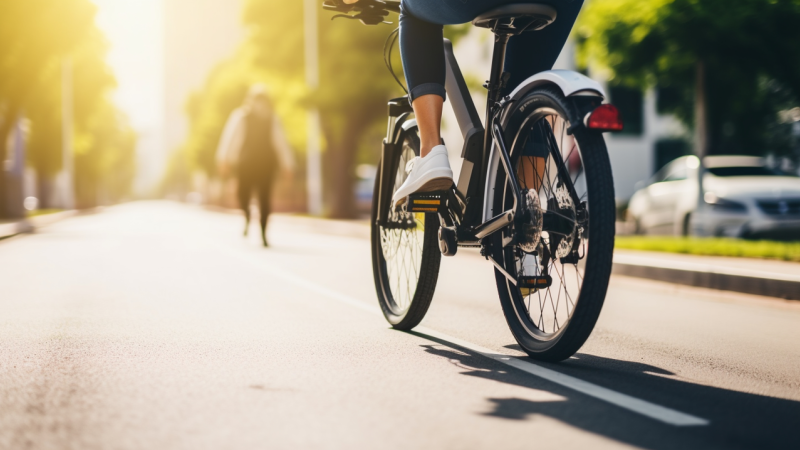
E-bikes are classified as “motor assisted cycles,” meaning they are bicycles equipped with an electric motor that helps the rider pedal. There are two types of e-bikes: standard and light. The standard e-bike has a maximum speed of 32 km/h and has a throttle assist, while the light e-bike has a maximum speed of 25 km/h and does not have a throttle assist. Different rules apply to each type.
To be considered a legal e-bike, the bike must have working pedals, use an electric motor only, and meet the technical requirements set out in the Motor Assisted Cycle Regulation.
These rules ensure that e-bikes function similarly to regular bicycles–just with added electric assistance to make hills easier, extend trip distance, and support more people in choosing active transportation. E-bikes must follow power and speed limits and comply with the same road rules that apply to people cycling, including required safety features such as front and rear lights, reflectors, a bell or horn and reliable brakes.
Quick guide: E-bike rules and safety tips in Burnaby
| Do's |
|---|
|
| Don'ts |
|---|
|
You must be 14 years or older to ride a light e-bike and 16 years or older to ride a standard e-bike. Parents or guardians must ensure that children below the minimum age do not operate an e-bike. No driver’s license or insurance is required to use a legal e-bike in BC.
You must be 18 years or older to participate in the e-bike share program.
E-bike riders must follow the same general rules that apply to cyclists:
- Ride in bike lanes where available, and on roads and multi-use facilities where cycling is permitted.
- Do not ride on sidewalks or in crosswalks, unless signage explicitly permits it.
- Follow all standard traffic rules, including traffic signals, lane markings, and right-of-way rules.
- Do not ride in parks or on park trails unless signage explicitly permits it.
To help ensure a safe and enjoyable ride, e-bike riders should follow these recommended safety practices:
- Wear a helmet: All e-bike riders must wear an approved bicycle helmet. A properly fitted helmet provides essential protection in the event of a fall or collision.
- Do not carry passengers if prohibited: Light e-bikes and any riders under 16 years old are not permitted to carry passengers or tow others.
- Know your equipment: Review your manufacturer’s user manual to become familiar with your e-bike’s features, battery care, braking system, and safe operating procedures.
- Confirm transit rules before travelling: Some transit providers—such as TransLink and BC Transit—may allow e-bikes on board buses or trains. Check the specific guidelines before planning your trip.
- Ride predictably: Use hand signals when turning, ride single-file unless passing, and maintain a steady line of travel to help others anticipate your movements.
- Use lights and reflectors: Between sunset and sunrise, ensure your bike is equipped with required front and rear lights and reflectors to improve visibility. Wearing reflective clothing can further increase safety.
Unsafe riding behavior can be reported to the Burnaby RCMP non-emergency telephone number: 604-646-9999.
Download the Lime app to locate a nearby e-bike, unlock it, and pay for your ride. Pricing and payment are managed directly through the Lime app. Riders must be at least 18 years old to use Burnaby's shared e-bike program.
No. E-bikes are not permitted on sidewalks unless signage specifically allows cycling. Riders should use bike lanes where available and may ride on roads or multi-use pathways where cycling is permitted.
No. Shared e-bikes must be parked in designated parking zones identified in the Lime app. Trips must begin and end within these designated locations. Bikes should never block sidewalks, driveways, building entrances, transit stops, or accessibility routes. Please report any bike parking issues directly through the Lime app or by contacting Lime Customer Support.
Lime is responsible for parking management and responding to reports of improperly parked bikes. You can report a parking issue directly through the Lime app or by contacting Lime Customer Support.
For issues related to a bike, billing, account access, or the Lime app, contact Lime directly through the Lime app or Lime Customer Support.
Yes. All riders are required to wear an approved bicycle helmet while operating an e-bike.
No. Lime e-bikes are designed for one rider only. Passengers are not permitted.
Unsafe or dangerous riding behaviour can be reported to Burnaby RCMP's non-emergency line at 604-646-9999. If there is an immediate safety risk or emergency, call 911.
The program is available in select areas of Burnaby and may expand over time based on demand and program performance. To view the current service area, available e-bikes, and designated parking locations, check the map in the Lime app.
The City is monitoring the one-year pilot program and reviewing data, operational performance, parking compliance and community feedback. This information will help inform future decisions about the program.