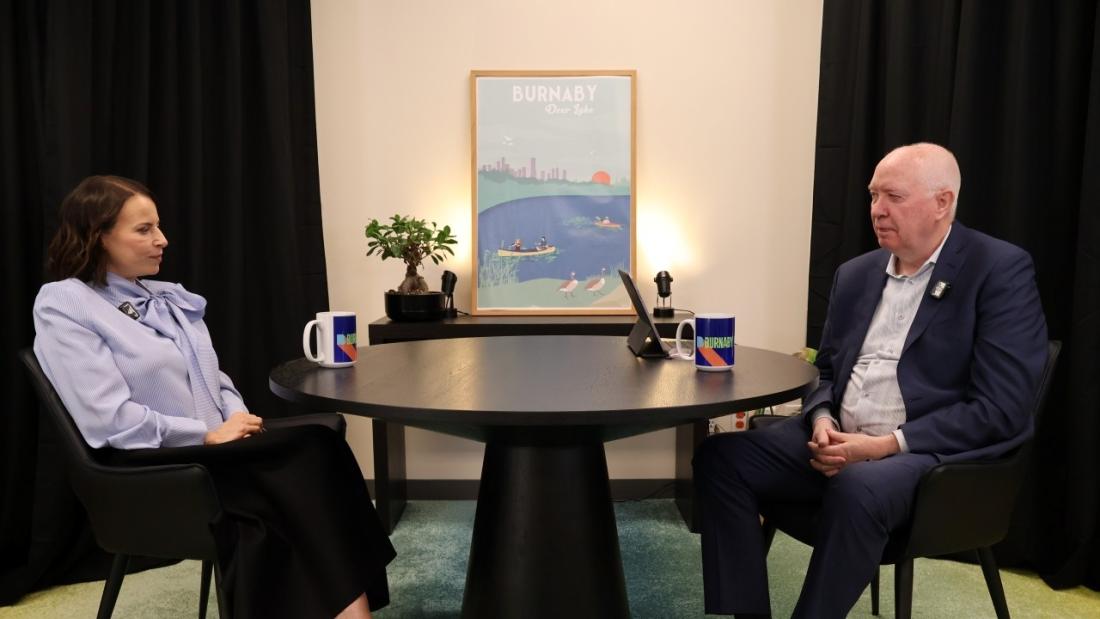
Following is a letter to Burnaby residents from Mayor Mike Hurley

Childcare is one of the biggest affordability challenges facing families and single parents in Burnaby and across BC. High fees and long waitlists make it harder for parents to work, go to school, or fully participate in community life.
Yet the BC Budget 2026 provides no new funding for childcare, effectively pressing the pause button at a time when this is one of the biggest issues facing cities.
While Burnaby’s own action plan identifies the infant-toddler group as the most underserved age group in the community–this budget leaves a significant gap for families with children aged 0-3 in particular. There are a lot of unanswered questions for frustrated residents, and we are doing our best to provide and seek clarity.
What has changed?
Under the ChildCareBC strategy launched in 2018, the province allocated federal funding to significantly expand access to licensed childcare across British Columbia.
The ChildCareBC New Spaces Fund is a key capital program that has provided funding for thousands of new licensed spaces such as the Rowan Avenue Child Care Centre which was supported in part by $7.4 million from the fund as well as land contributed by the City.
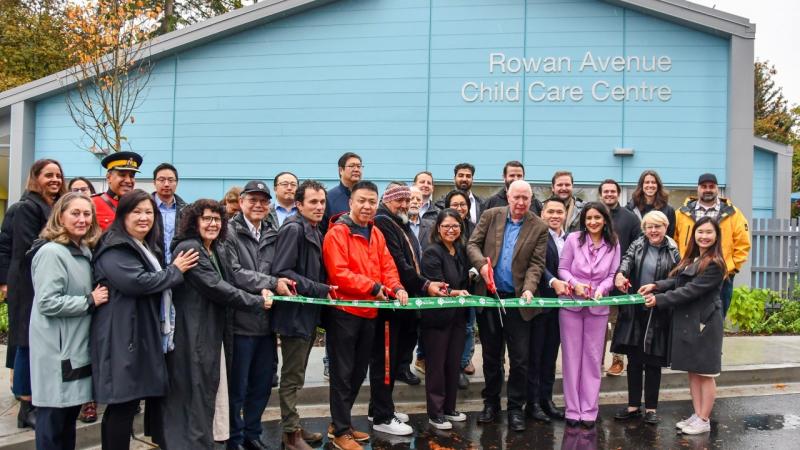
Meanwhile the $10 a day ChildCareBC program combined with the Operating Funding Model helps make daily childcare significantly more affordable for families and provides predictable, ongoing funding to centres to support staffing, wages, and day to day operations.
These programs have worked well in partnership with municipalities providing land and non profit operators.
In Burnaby dedicated childcare space is included in the new Christine Sinclair Community Centre. The City owns seven child care centres in total that are operated by non-profits and provide 329 licenced group child care spaces for infants/toddlers and school age children.
Under this provincial budget though expansion of these programs has been paused, meaning the province will not accept new applications for the ChildCareBC New Spaces Fund, which is now closed, and it has also paused enrolment of new providers into the $10 a day and Operating Funding Model during this "stabilization" period.
Provincial budget leaves Burnaby waiting on hospital and affordable housing
Families and providers already in those programs continue to receive support at current levels, but there is currently no pathway in Budget 2026 for additional capital funding to create new licensed spaces or expand existing ones.
The Province is otherwise reallocating $25 million from within current funding envelopes to expand childcare on school sites–reflecting a shift in focus toward integrating before and after school care into public schools.
What can municipalities do now?
Since Budget 2026 was tabled last month, concern has grown among families, operators and community partners. The budget process from here is as follows: after the budget speech and the tabling of the Estimates, MLAs enter the Budget Debate.
Once that concludes, scrutiny shifts to the Estimates stage in the Committee of Supply, where ministers and senior officials are questioned on timelines, targets and implementation details, and where clarifications are placed on the public record. This sequence matters because it is the time when we can secure the practical answers we now need.
What we will be asking for is straightforward. We need a basic timeline for the school based rollout so the City can align zoning, permitting, traffic management, and update its childcare plan accordingly. We need the Province to set out the overall plan for the “stabilization period,” including how long it is expected to last and the conditions for ending it. And we need clarity on how provincial childcare targets and timelines have been adjusted under this approach so municipalities, non profits and providers can plan operations, staffing and capital beyond a three year horizon.
What can realistically change at the Estimates stage is limited to small shifts within existing budgets and clear commitments from ministers about how they’ll carry out the plan.
The costs falling on Burnaby taxpayers
For companies deciding whether to start, expand, or remain in Burnaby, the availability of affordable child care is a core part of how they assess our city’s ability to support their workforce, and gaps in supply ultimately affect everyone who depends on a stable, healthy local economy.
A snapshot of Burnaby’s economy as our task force gets to work
This budget means the City no longer has any provincial capital pathway to partner on creating new childcare spaces.
Under these conditions, the full cost for any childcare spaces constructed, would fall on the City and any external donors or partners it could secure. Which would have to be covered through higher taxes, reallocated capital funding, or deeper draws on reserves. And without provincial operating supports, the fees parents would be charged for these limited spaces would be significantly higher.
Even for the existing centres where operating funding is staying the same, their costs keep rising. And while already approved projects will go ahead, there’s no guaranteed capital funding for maintaining or upgrading any new facilities in the future.
This would not be affordable childcare–and these costs will all end up falling on Burnaby residents through increased taxes, fees, and reduced availability.
What is this new approach delivering?
The shift to school based expansion is meant to speed delivery and cut capital costs, but it only works if districts have suitable space such as rooms, utilities, outdoor areas and if each project can meet provincial child care design and licensing standards–factors that still drive cost.
Not to mention, this approach also relies on schools and teachers being willing to make classrooms dual purpose, which affects their timetabling and prep time. In other words, putting childcare on school grounds doesn’t automatically make it cheaper or faster. As far as I’m aware there has been no recent catchment wide site analysis for Burnaby in advance of this rollout.
So while the approach keeps provincial spending tight, it remains unclear whether it will actually lower capital costs or deliver the required growth in school age childcare anticipated.
Ultimately this budget makes affordable childcare targets almost impossible to meet, and while the Province may need to make hard choices in a tight fiscal year, it’s difficult to understand how childcare could be considered an acceptable gap to leave for three years or longer.
Building below-market housing and giving back to community–with Cindy Beedie